Gamer over
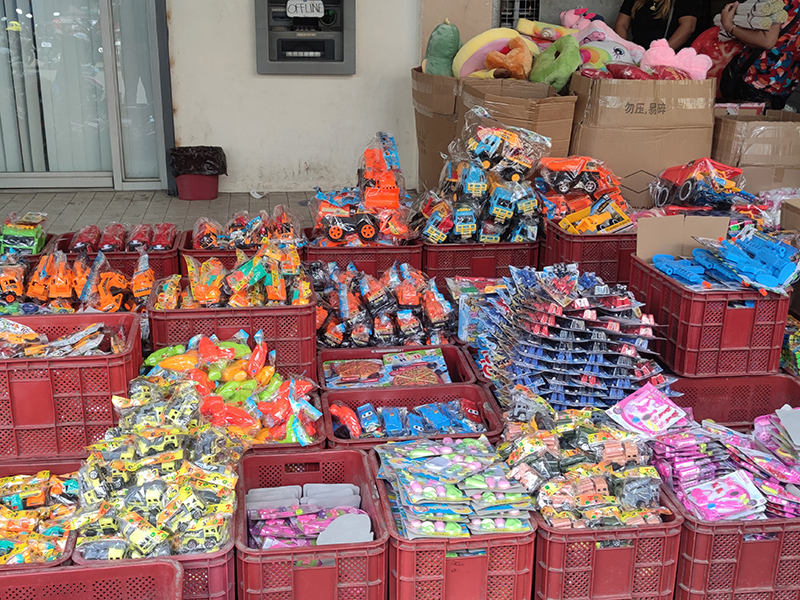
To put it bluntly, we are trapped. And it is a life-threatening trap. I am not apocalyptic, but the more I learn about plastic, the more frightening the facts become. The scale of global annual plastic production is staggering: 400 million tons.
But we are still a long way from reaching the peak, as production is rising steadily, with the packaging industry accounting for almost half of the total. But there is no point in pointing fingers. That would be too easy. We don’t want to draw attention away; we need to bring about a rapid change of heart.
Each of us is confronted with plastic every day, because plastic is so wonderfully convenient and practical. It can be molded and colored. In supermarkets, plastic packaging for beverages is everywhere; disposable cups are chic at parties; and even our cars are equipped with plastic, although tire abrasion from driving is not yet reflected on the visible balance sheet.
As long as the plastic is visible, it is almost harmless. It becomes dangerous only when it decomposes or is ground down into micro- and macroplastics. It is harmful to all life, whether trees, coral, or humans. It penetrates all cell walls and is simply destructive to life, even if the plastic particles are not yet statically charged.
To list all the known effects on nature would go beyond the scope of this report. Anyone can find information on the internet. However, it is not only important to gather information, but also to use it to change our own behavior. Waiting for laws to be passed is pointless. We are called upon to act because it is our world.
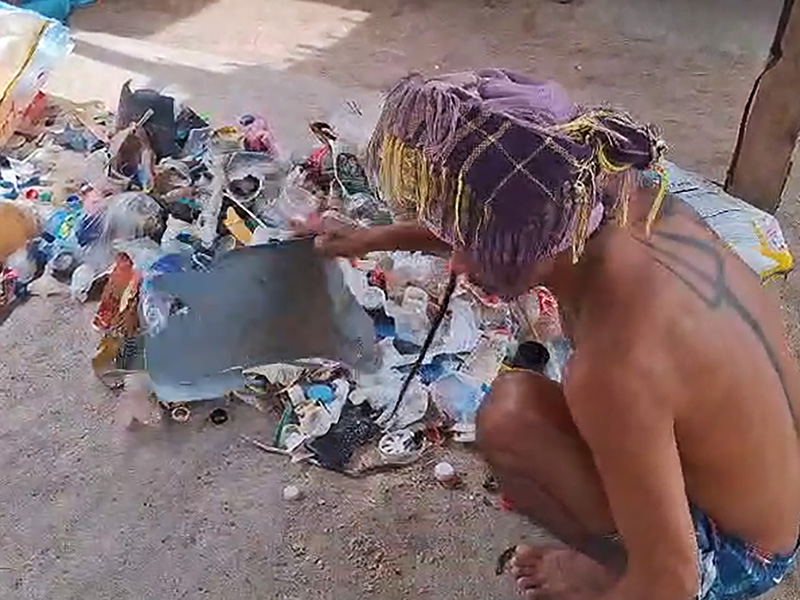
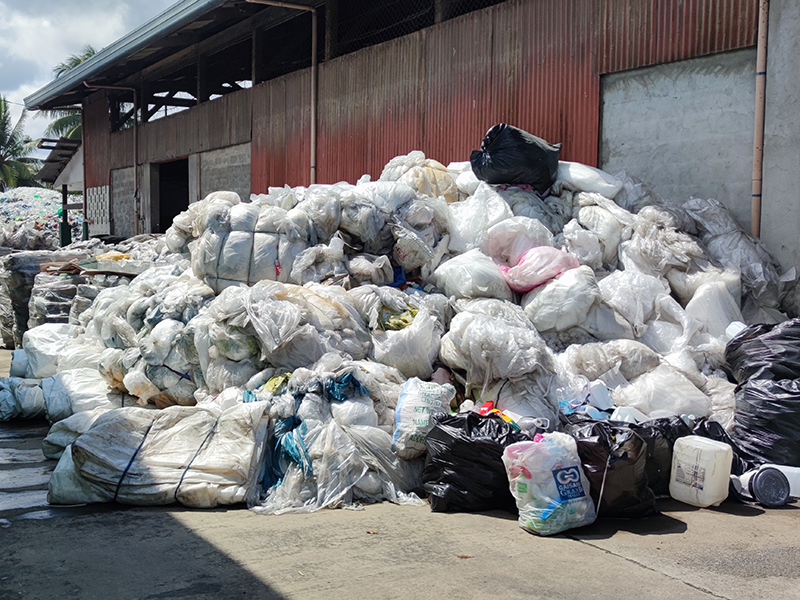
In Mati, the Amihan Brothers collect and sort trash for Mama Earth, which is melted down in Davao.
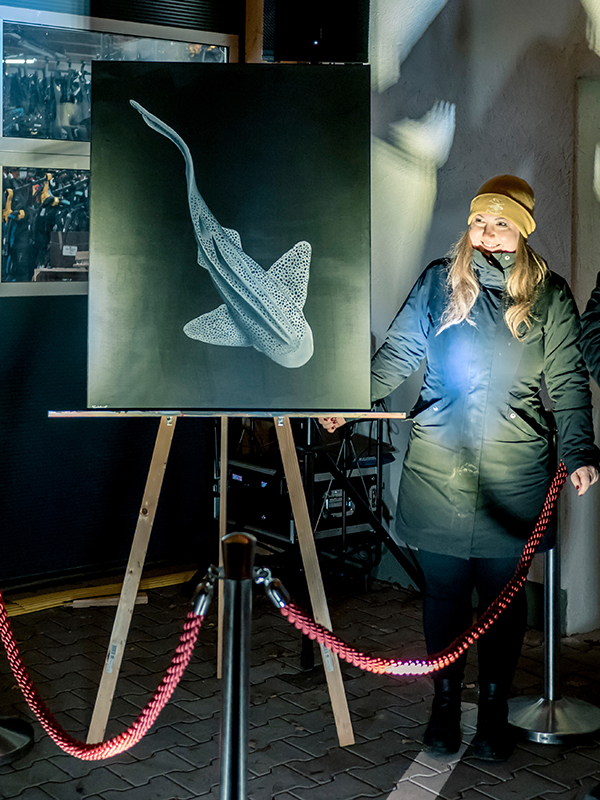
Sabrina Lochschmidt with her wonderful leopard shark painting.
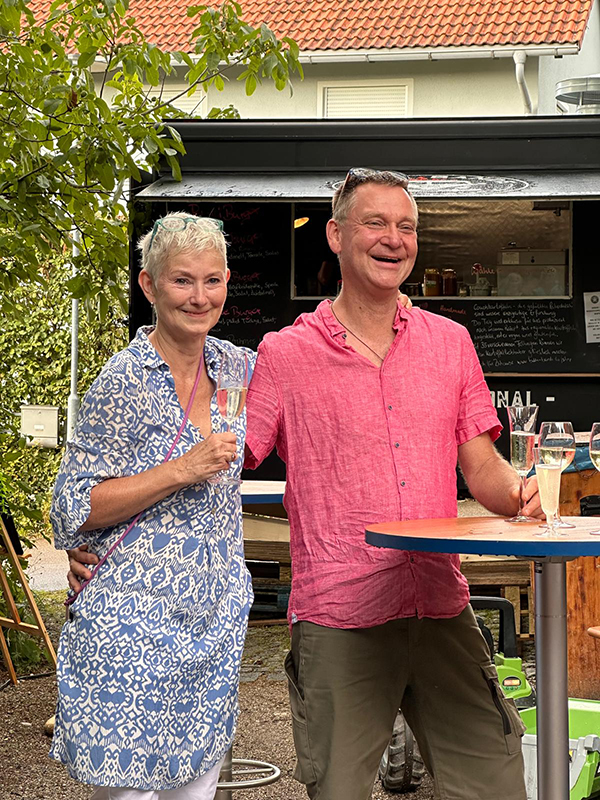
Sibylle and Gerald Nowak give lectures.
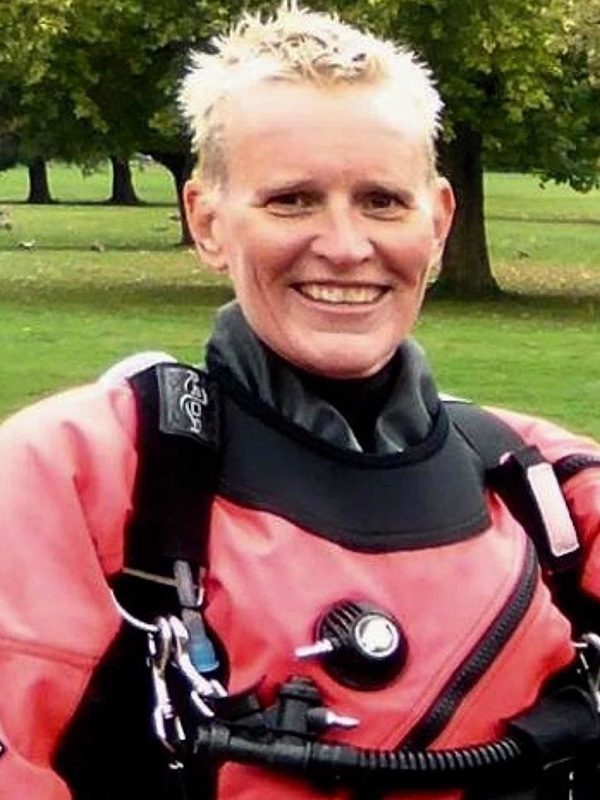
Dr. Tanja Bayer, diving instructor and environmental advocate.
Our magnificent planet is covered by 71 percent water. This means that the oceans also swallow up the lion’s share of the plastic plague. Who knows this better than the people who love being underwater, the divers? They want to keep their playground clean and therefore support Mama Earth’s plastic collection campaigns.
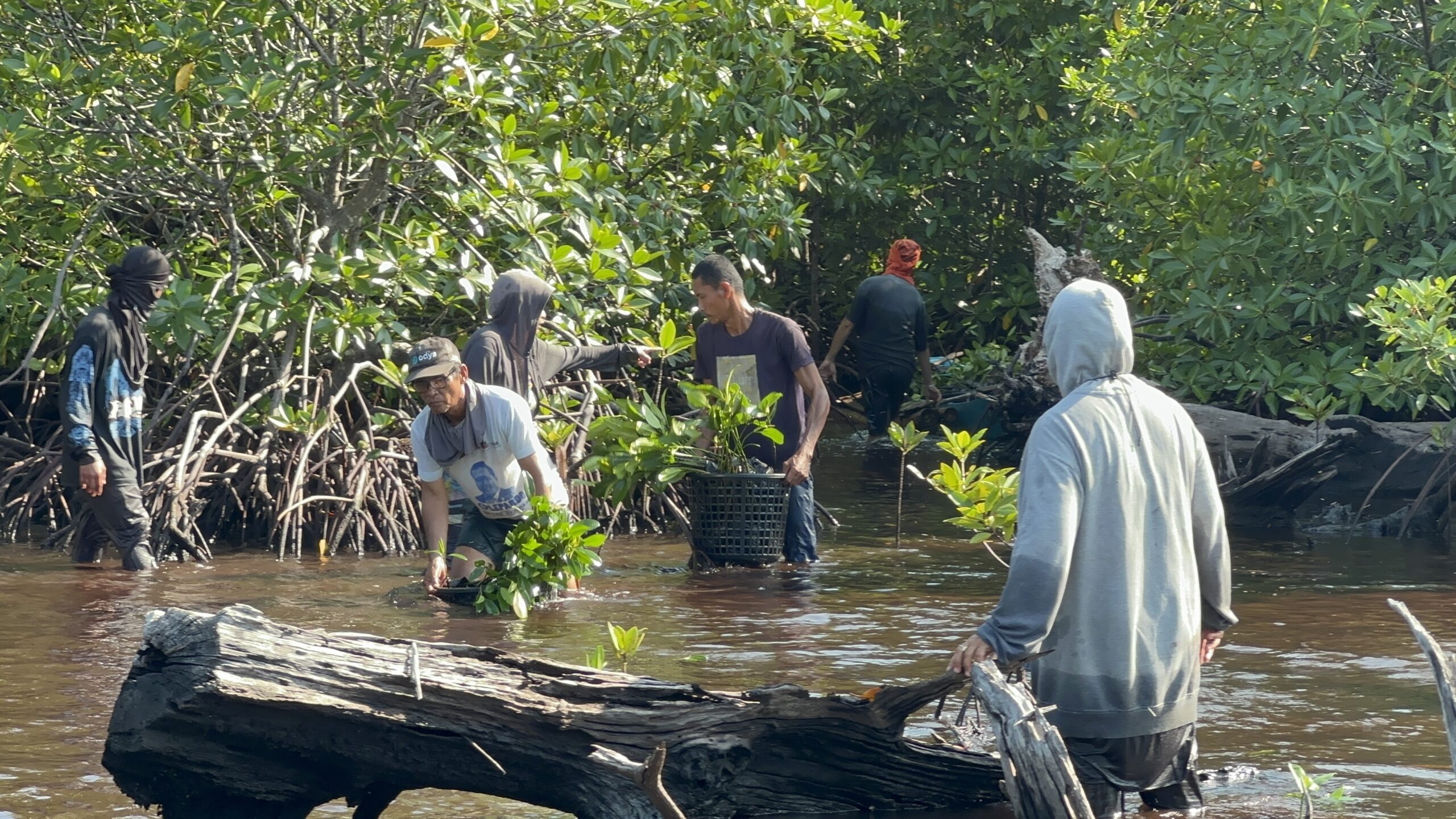
As a reminder, our planters collect plastic while planting mangroves, and we also purchase collected plastic from the beach in Mati to allow turtles access to lay their eggs and hatchlings access to the sea. We use this waste to manufacture school chairs in Davao. To do this, the pre-sorted plastic is melted down and pressed into molds as a warm mass. Once cooled, the individual parts of the school chairs are ready and can be assembled. Our school chairs come with a ten-year warranty. If any chairs break, they are simply melted down again.
Gerald Nowak, diver and underwater photographer, was here in Mindanao and saw how urgent it is to deliver more school chairs. Together with his wife Sibylle, he set himself the goal of informing people and collecting donations to finance the school chairs. With success.
Two diving schools raised money during their Christmas parties. At Tauchsport Gläßer, the largest diving school in northeast Munich, a painting by Sabrina Lochschmidt was auctioned off. All proceeds went toward financing the chairs. Thank you to Thorsten Gläßer and, above all, to the artist for this wonderful initiative and her incredible work. Sabrina spent weeks painting the picture of the leopard shark in oil. The artwork was purchased at auction by Rüdiger Kaupp, a businessman from the diving scene (www.tauchsportvertretungen.de). Rüdiger Kaupp had already approved the project at Interdive and made a donation.
Tawo Diving in Oberursel (Taunus), known for diving safaris and good training, also donated school chairs. The driving force behind this was the owner, Tanja Bayer. She is a diving instructor and doctor (accompanying cruises to the Arctic and Antarctic) and is very committed to environmental protection.
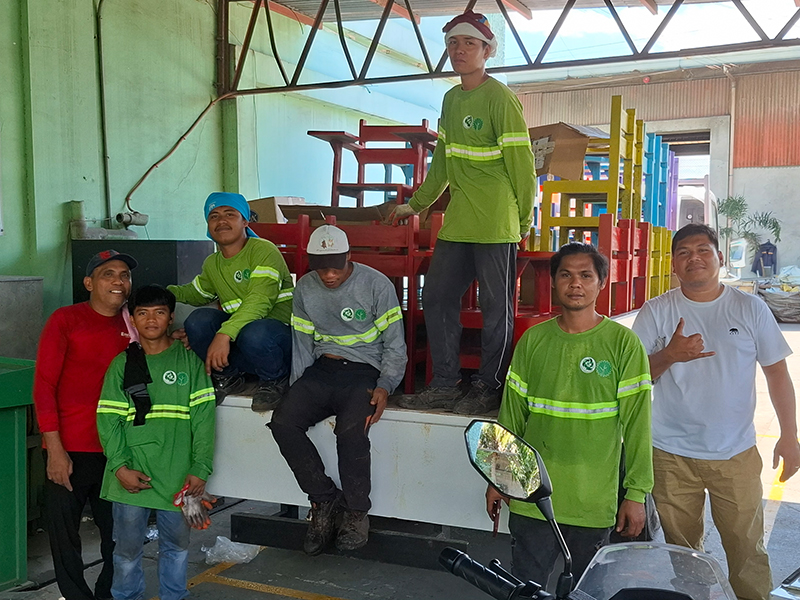
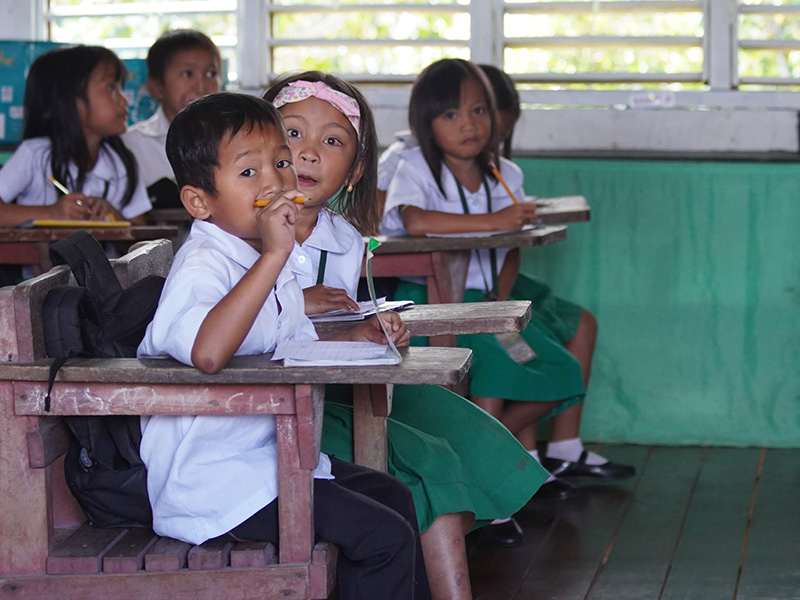

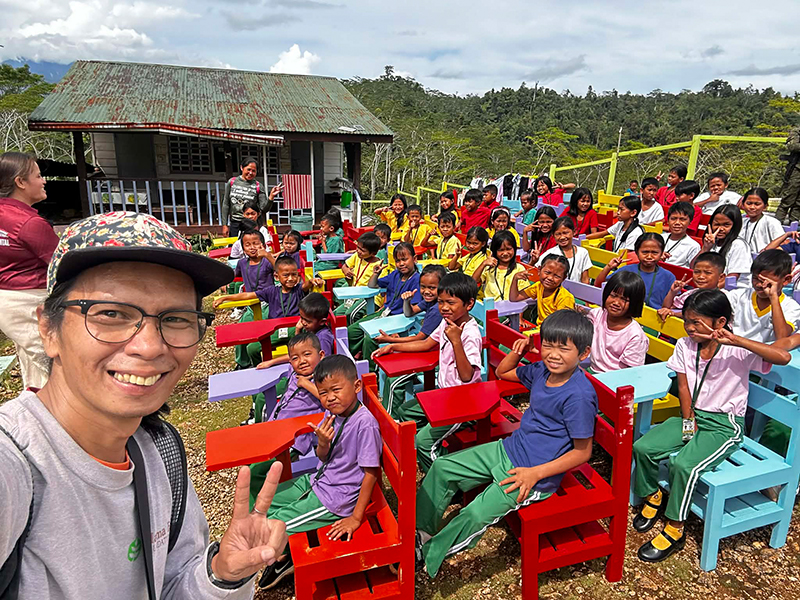
Thanks to these donations, we were able to deliver another 50 chairs at the beginning of February 2026. As we give priority to schools with little prospect of receiving new seating, Luyong Elementary School in Baganga was the destination for this delivery. The school is far from the center, and the roads are somewhat adventurous. The truck got stuck on the way. Fortunately, the nearby military base responded immediately, recovered the truck, and also helped unload the chairs. Perhaps you have time to watch our short video. Please click on this link:
Back to future
Please leave all foodstuffs—including beverages—that are not packaged in glass on the shelf. Change can only come about through renunciation, simply according to the motto “change through trade.” Glass can be recycled almost endlessly without any loss of quality. Used bottles and jars are crushed into shards and then remelted. Another advantage is that melting old glass requires much less energy than producing new glass and also uses fewer resources such as sand, lime, and soda. Glass therefore remains in circulation, whereas plastic does not. Please start thinking ahead today. It’s also fun. Thank you.