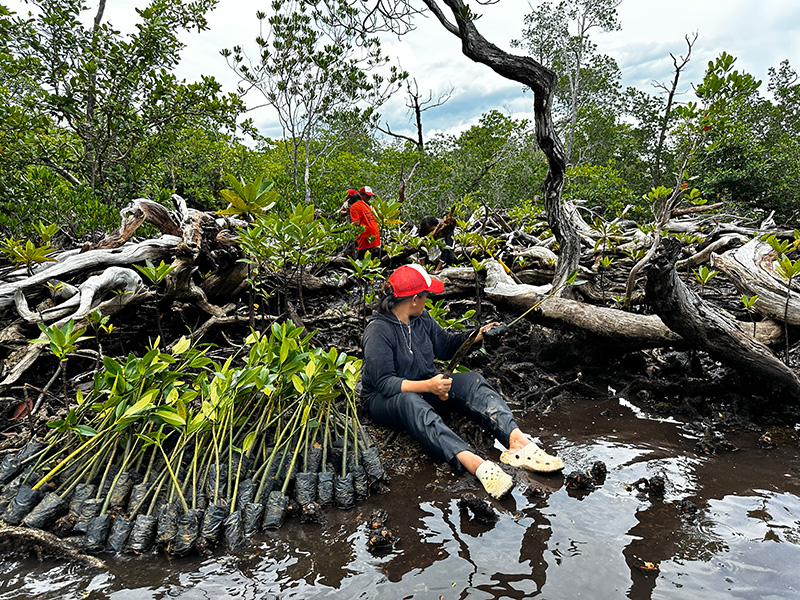
Intense heat has warmed the seawater in this area to such an extent that the limestone in the seawater has dissolved and settled to the bottom. The result is a thick layer of limestone that offers no foothold for seeds to take root. Now it is up to us to heal these wounds and transform a man-made desert into a natural jungle.
The Desert Is Alive …
… or rather, it’s beginning to come to life. We’ve already written several times about our reforestation project in Guangguang National Park, Mati, Davao Oriental, but since this project will be a part of our work for the next few years, it will also appear regularly in our newsletter. Moreover, this project is so unique that there’s surely nothing comparable to it in Asia. It’s often accepted that changes have occurred, but we’re looking for ways to repair the damage to nature caused by humans. And we’re succeeding.
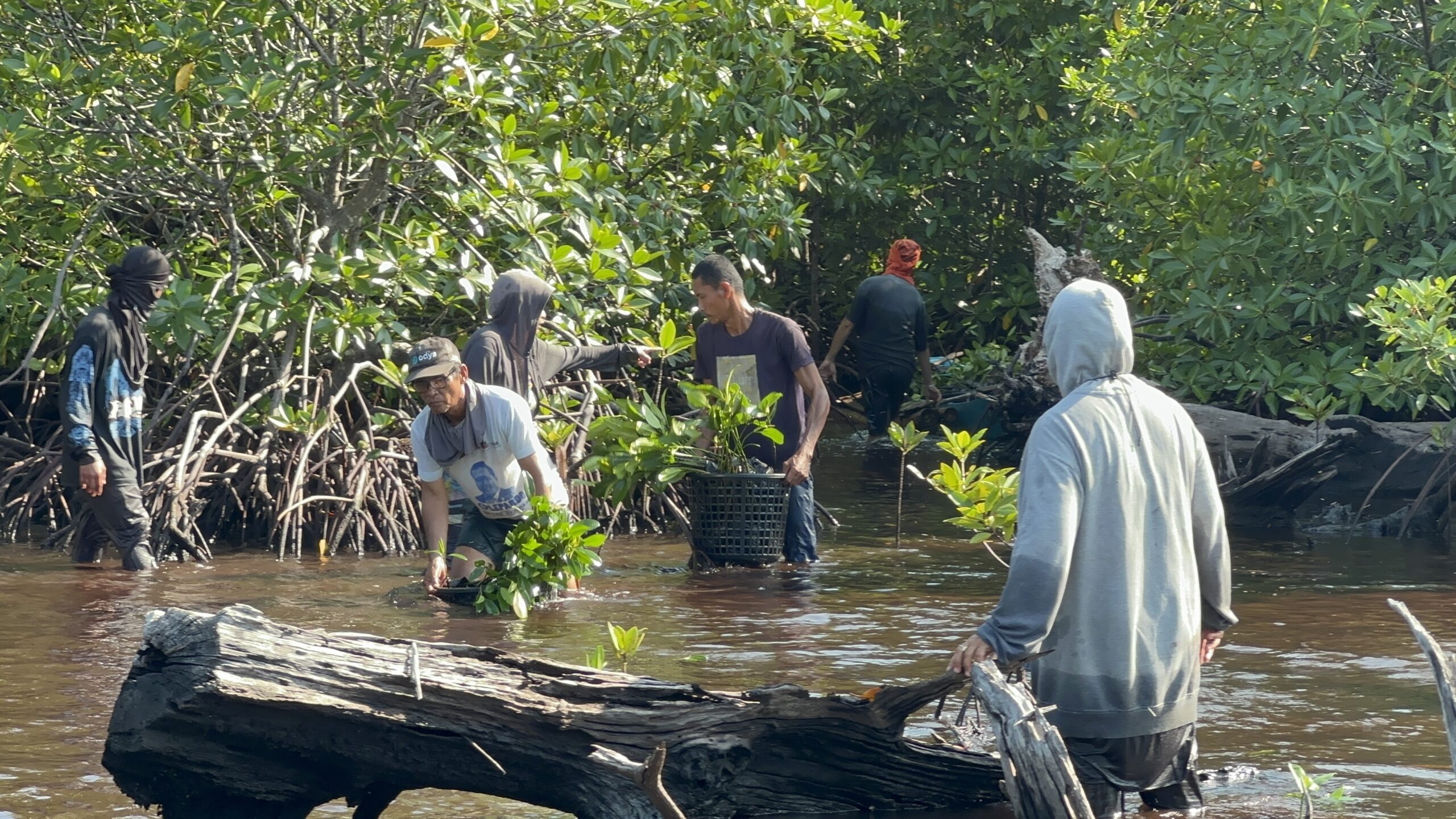
There are three vast areas of barren rock in Guang guang, all of which are being reforested by Mama Earth. The challenges are enormous, but even the first plantings fill us with quiet hope that we will succeed in restoring a mangrove thicket here, where monkeys, birds, and lizards will find a habitat and fish, crabs, and worms will thrive in the salty water.
In the first week of May, fishermen in Mati asked us to reforest another stretch of coastline. It’s located right at the “entrance” to town. All preparations are nearly complete. We’ve already started potting seedlings on-site in a small nursery, so we expect to begin planting in October 2026. The area is small, but our motto is: Every mangrove counts.
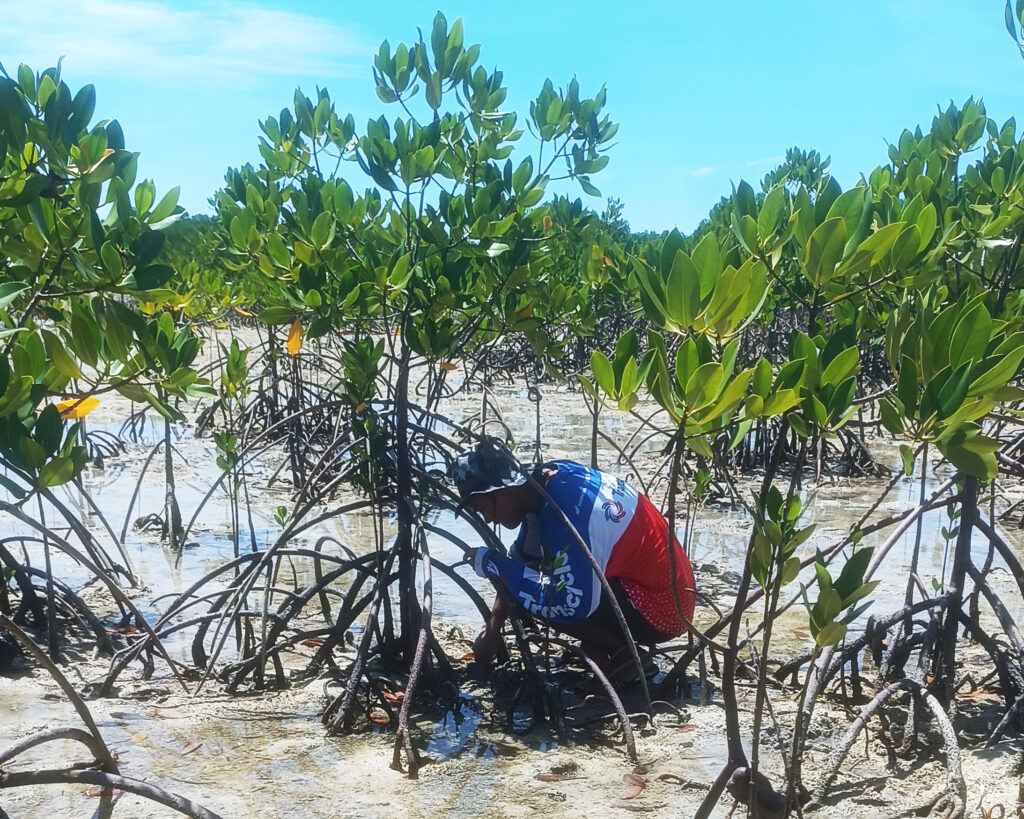
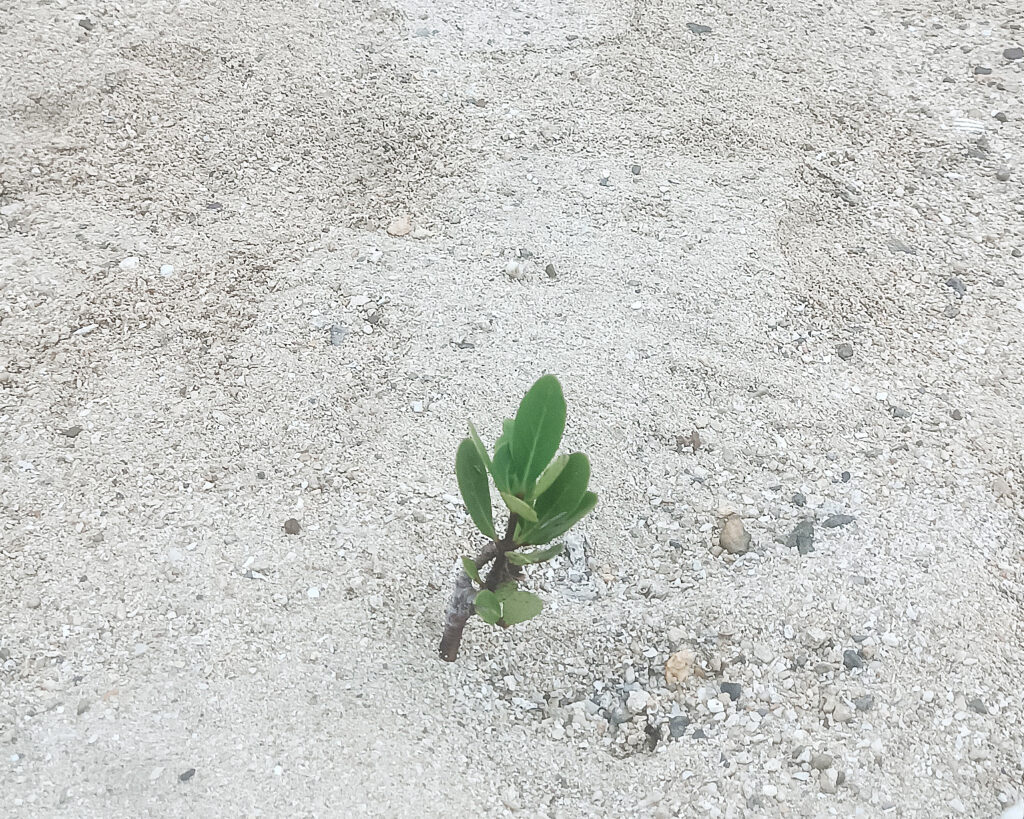
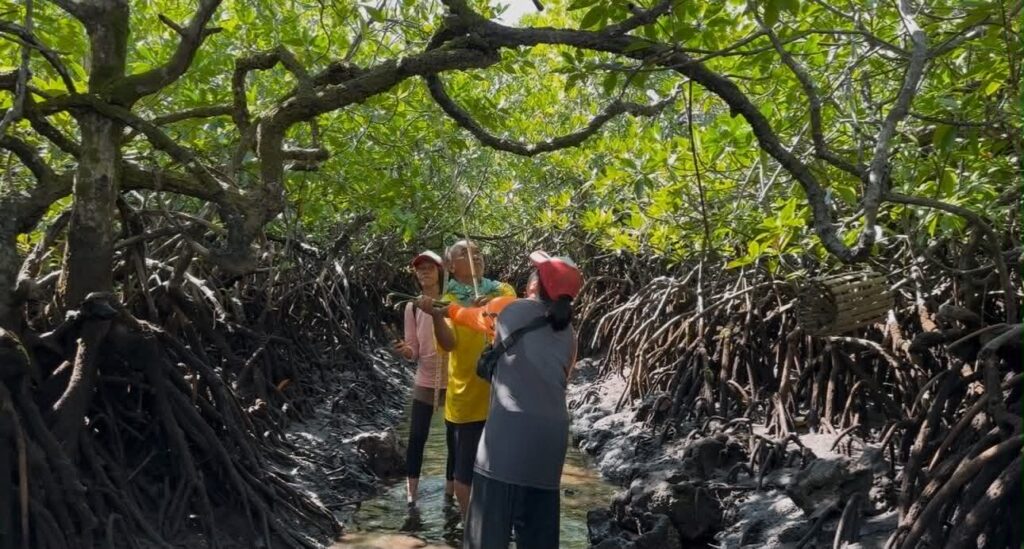
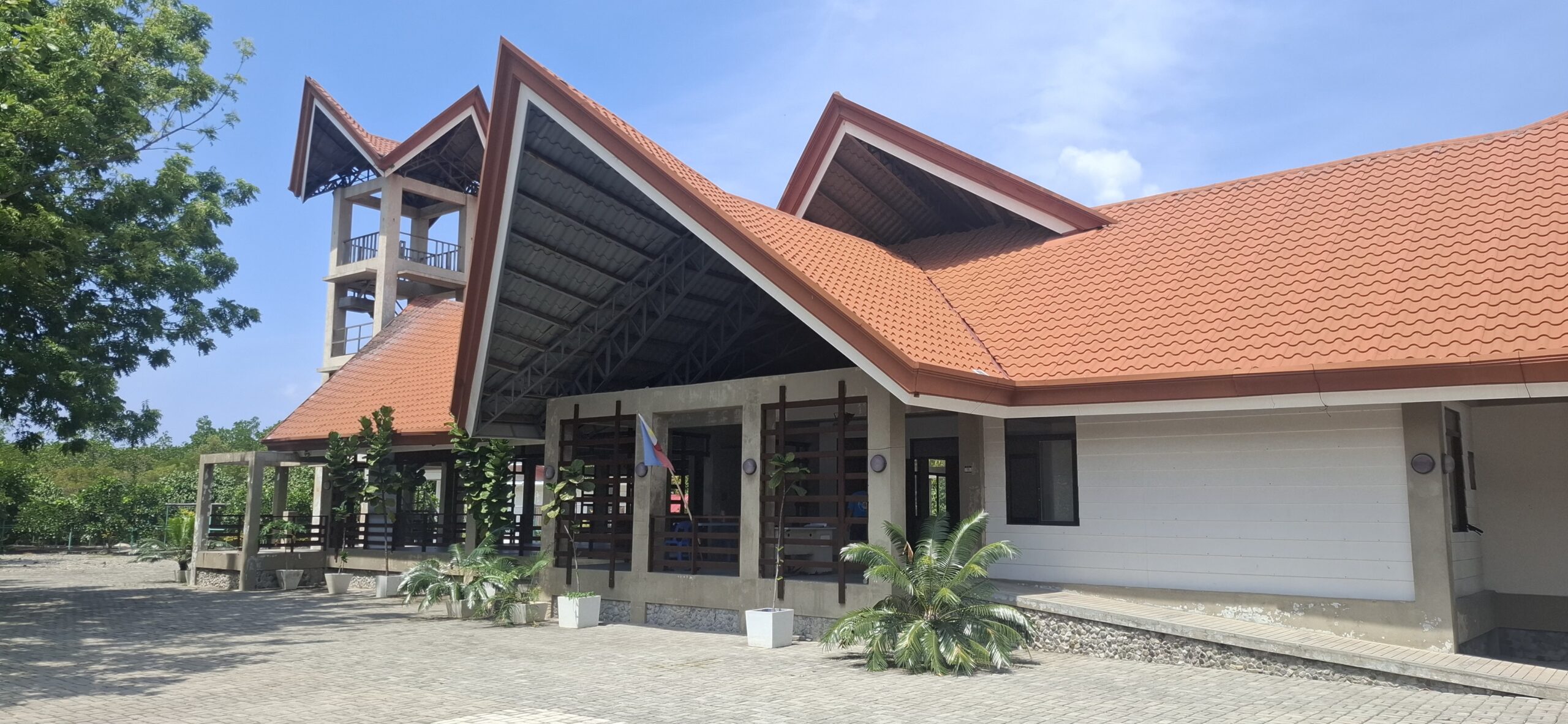
We hope that we will soon be able to fulfill our dream of converting the building at the entrance to the nature park into an exhibition space and transforming the adjacent area into a seminar room; however, this will require quite a few more conferences, since the Philippines is a country of conferences. Everything must be laid out in detail, and all objections must be refuted. If our plan can be realized, school classes from Mindanao will be able to gather here, and the students will learn a great deal about mangroves and share their knowledge, because mangroves are of vital importance to the Philippines.
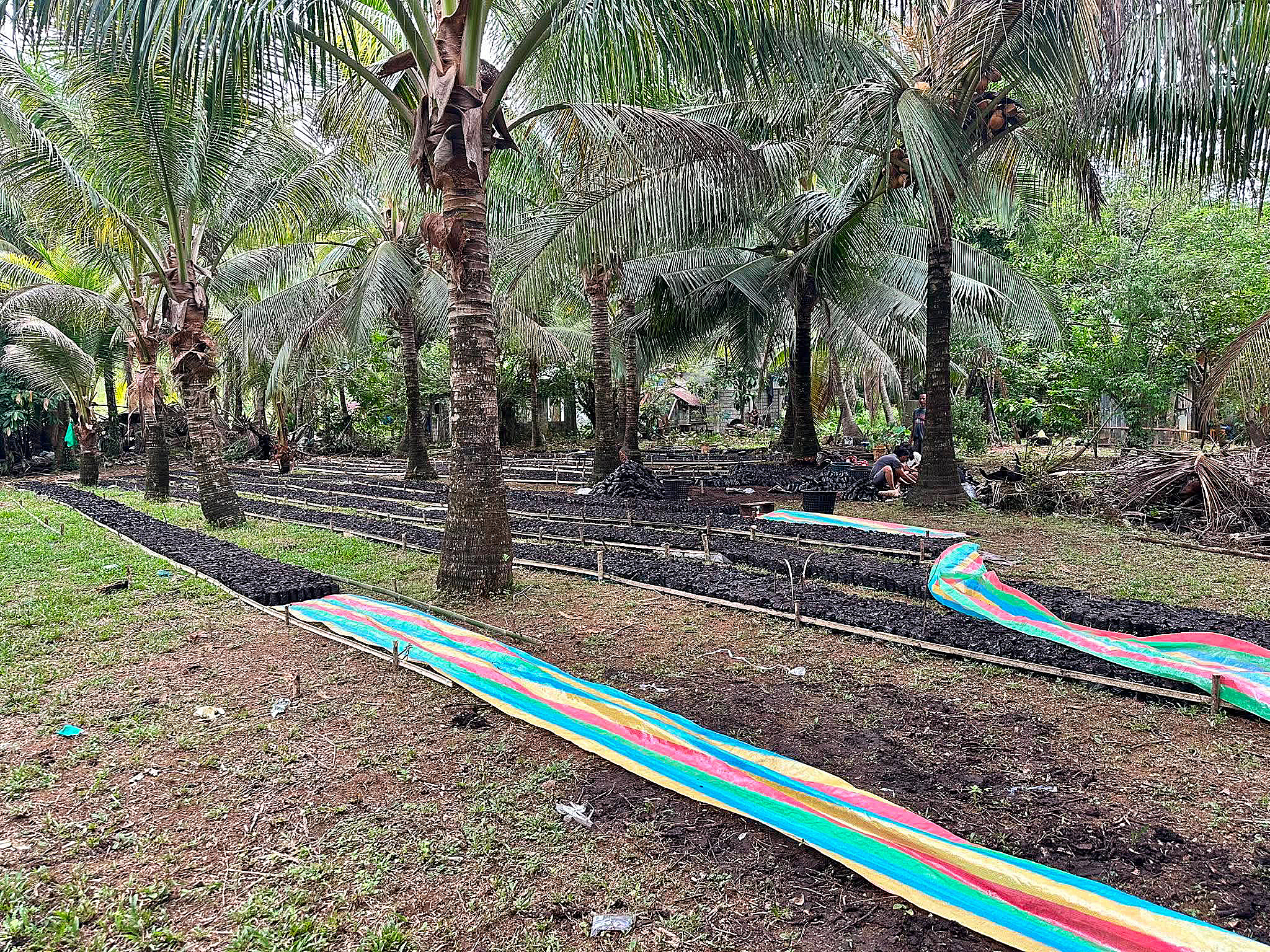
In Baganga, a three-hour drive north of Mati, we’re currently planting nearly 100,000 mangroves per month. It’s not only fun to watch the nurseries fill up and empty out, but it’s also a joy to see most of the mangroves growing up healthy. This is where our strict monitoring of the nursery and the plantings pays off. Four to five months in the nursery may seem like a long time, but since we’re constantly on the go, time flies by. Fortunately, the work never stops. To keep it that way, we continue to rely on your help. If you’d like to join us, please click on this link:
https://mama-earth.eco/mangroves-donation
Thanks to our simple nurseries, we’ve been able to keep the price stable for years: Three mangroves cost one euro. With just a little money, you can make a big difference—not only by planting mangroves, but also by giving fishing families a future.

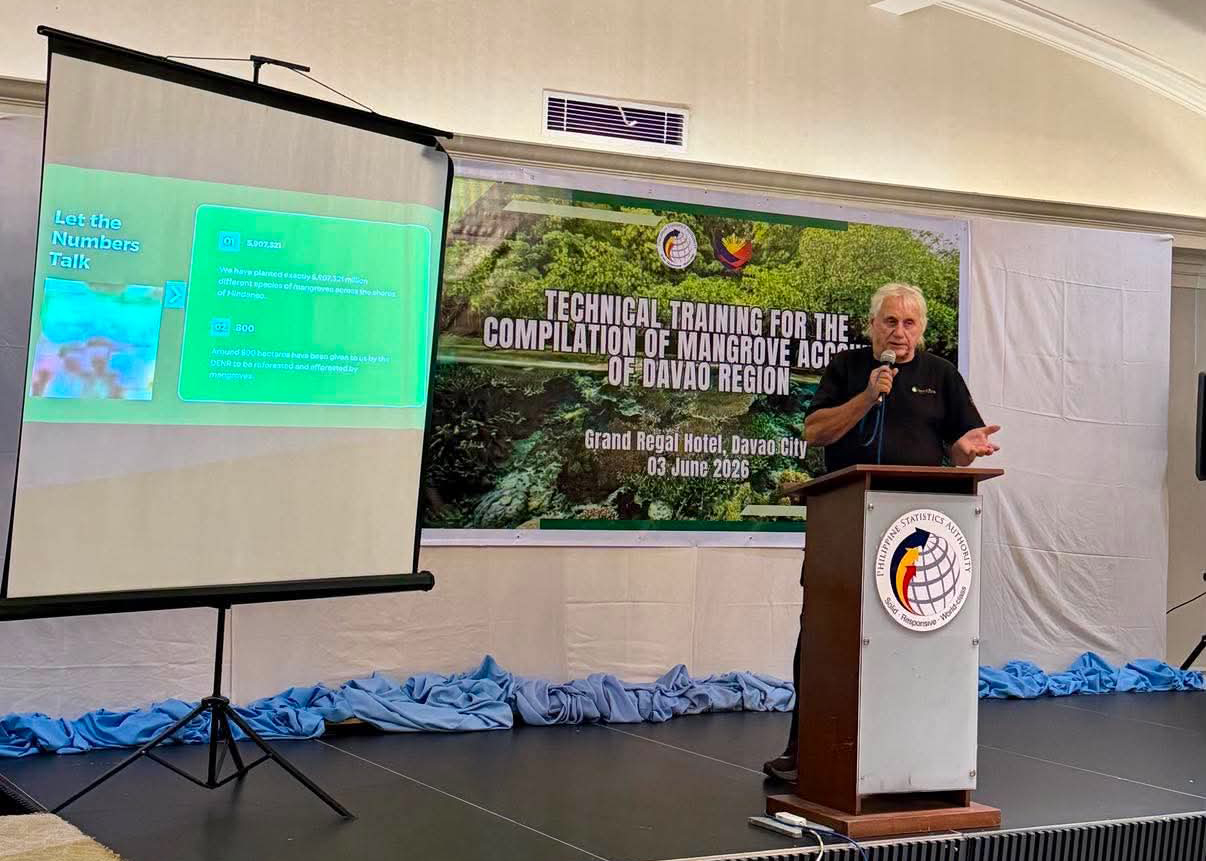
Fortunately, our work is also being recognized in the Philippines. We are delighted to have been featured in a lengthy online article in the most-read daily newspaper, the “Manila Bulletin”, as well as in a five-page article in the magazine “Agriculture”, which you can view via the link below:
https://acrobat.adobe.com/id/urn:aaid:sc:EU:2cde2a6c-9a29-4a1d-ac5e-00d111194308
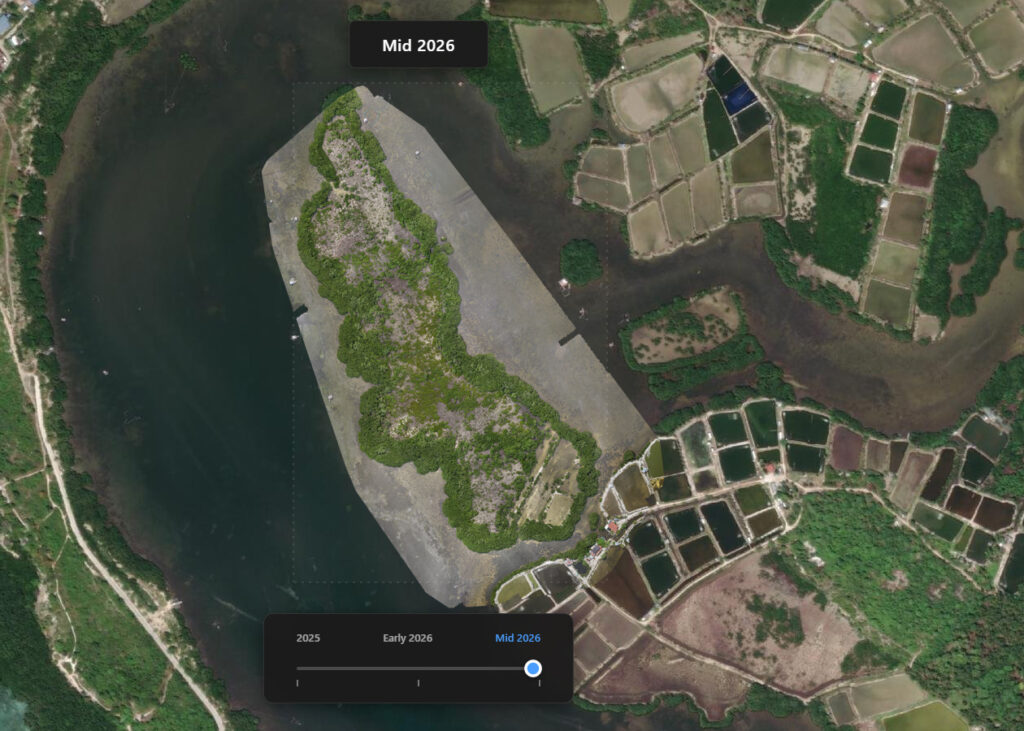
As reported, the drone that fell into the ocean could not be repaired. As is well known, saltwater and electronics don’t mix. Replacing the electronics is much more expensive than buying a new one. The new drone is now in use. All photos are digitally stitched together to form a comprehensive map. This map features a “slider” for the various flights, which usually take place twice a year. The difference between a video flight and a photo flight is that you can zoom in on the photos, which isn’t possible with a video.
A specific area within a photo can be designated for monitoring mangrove growth, and users can zoom in on that area. The resolution is sufficient to see the mangrove stands. The newly planted mangroves appear as a green area. The “slider” allows users to view the history. I’ll explain this in more detail in the next newsletter. We’re thrilled.
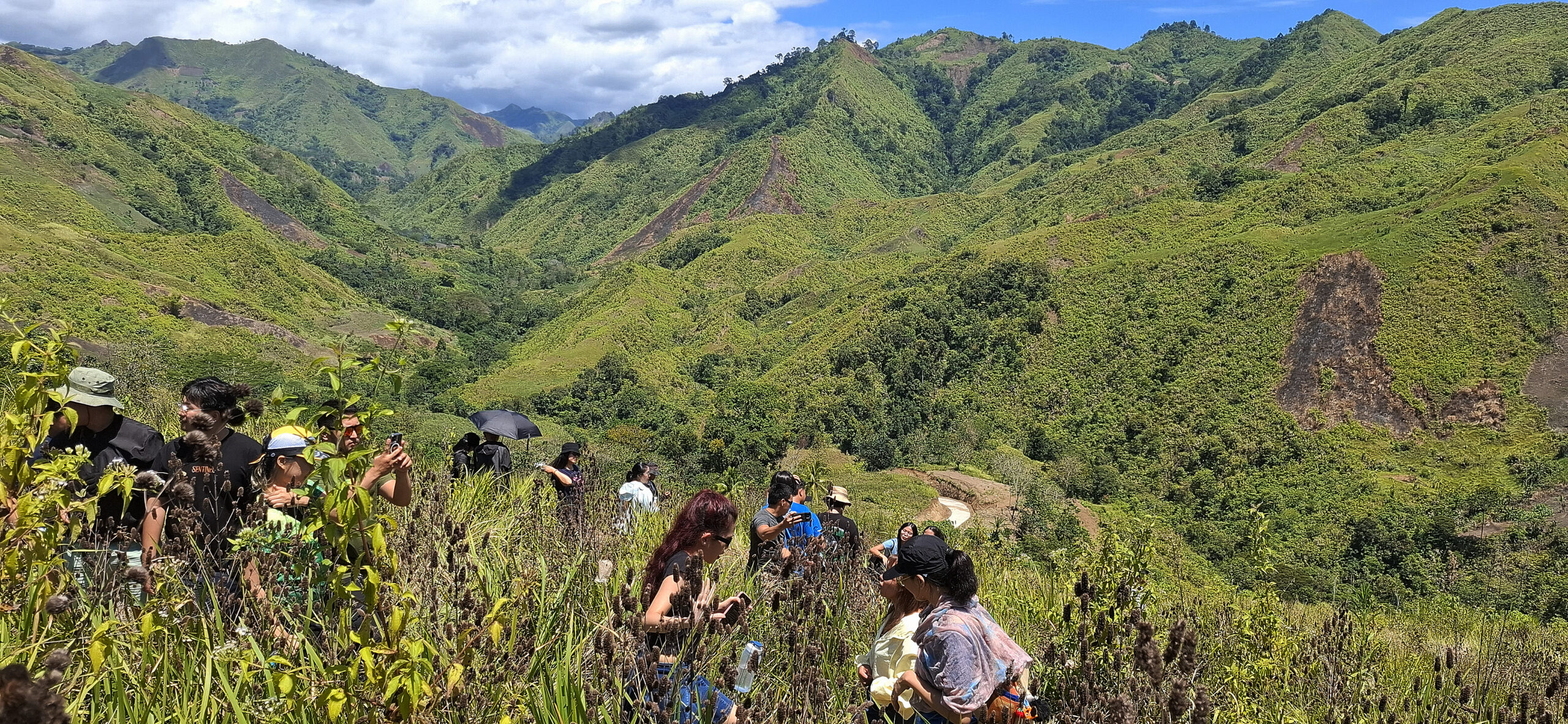
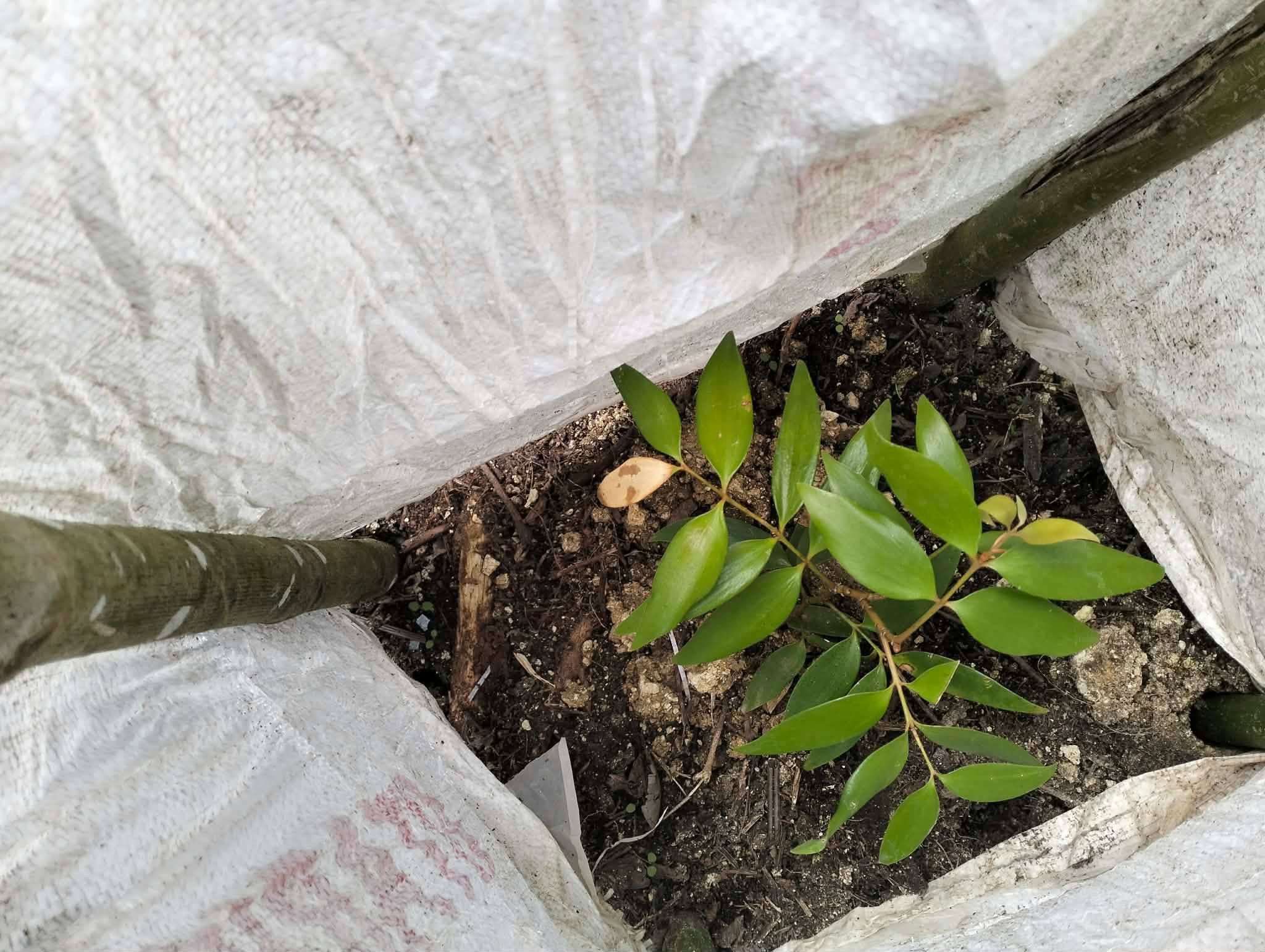
Since we’re limiting our newsletter to three pages, here are just a few quick headlines: The 50 Almaciga seedlings have been planted and are being cared for by our forester, Jolly. So far, all 50 are growing, but it’s quite possible that the free-roaming goats will damage some of them so severely that they’ll need to be replaced. Next year, they’ll be established on their own roots, and we’ll be able to offer you sponsorship opportunities, just as we do with the Toog Giants in Montevista, Davao de Oro.
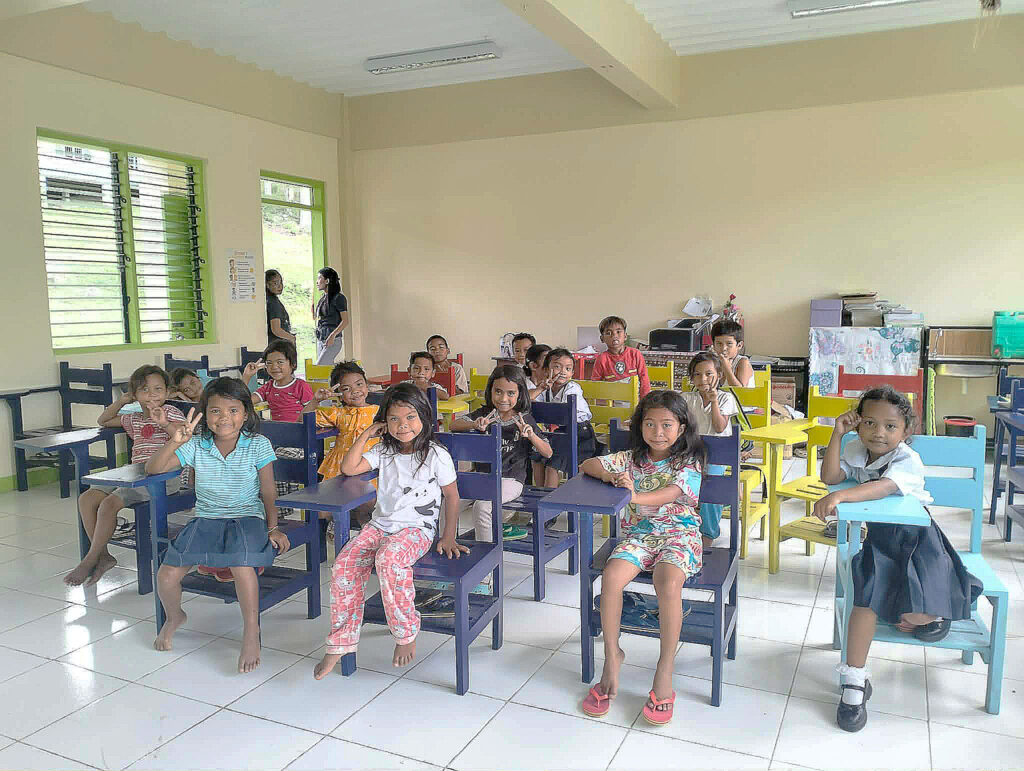
And another 50: The 50 donated chairs are all taken. The children are overjoyed. Here, too, the challenge for us is quite simple: The country needs more school chairs made from recycled plastic. Better seating leads to better learning. A simple formula for giving children a future.